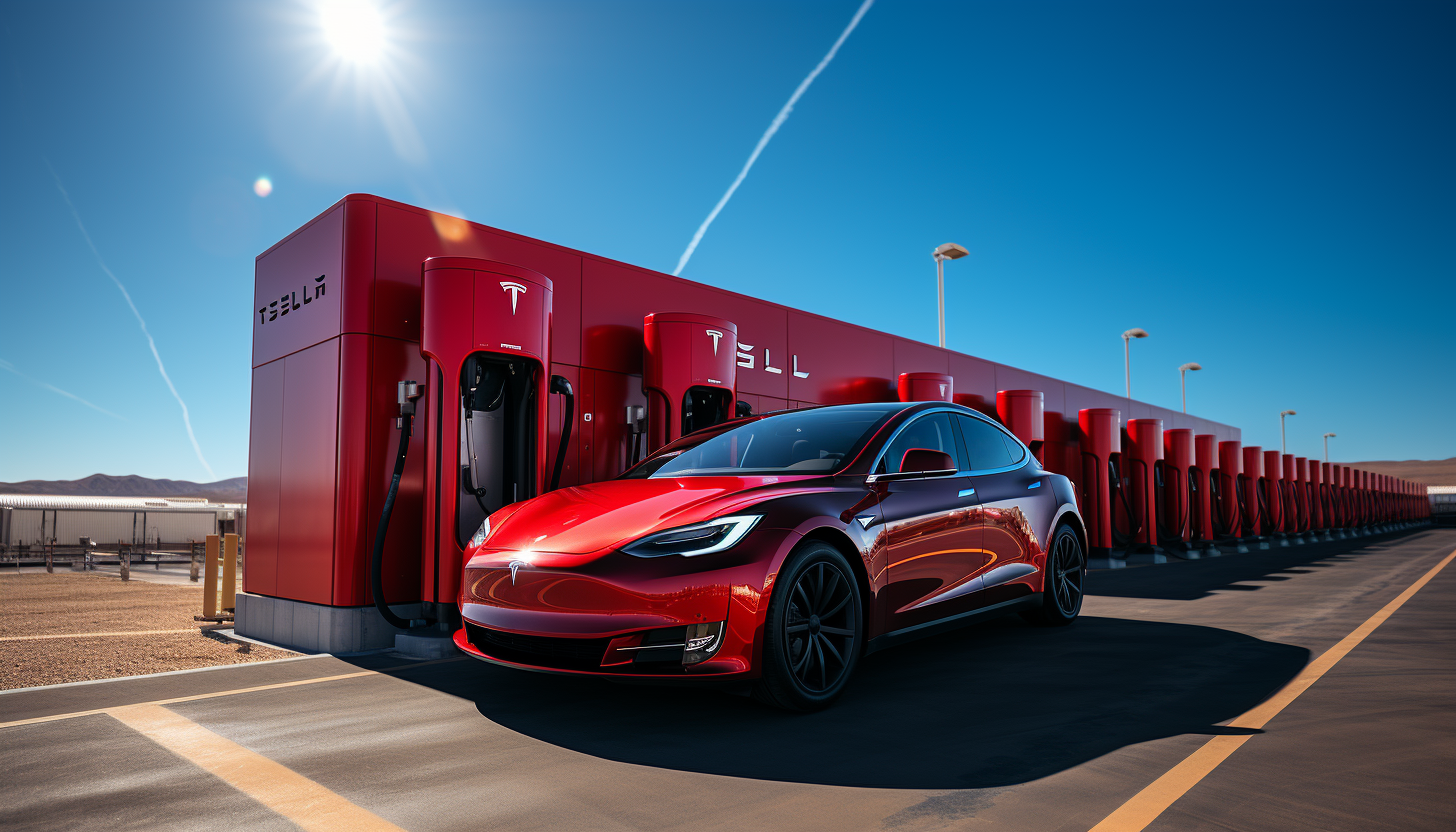
Tesla Superchargers have revolutionized the way Tesla owners charge their vehicles, offering a fast and convenient way to power up on the go. With the ability to add up to 200 miles of range in just 15 minutes, these Level 3 DC chargers are a game-changer for long-distance travel. The exclusive network, with over 35,000 Superchargers globally, ensures Tesla drivers are never far from a quick charge, and the integration with Tesla’s technology makes finding and using a Supercharger a breeze.
However, the expansion of the network to non-Tesla vehicles has raised concerns among some Tesla owners. Increased traffic could mean longer wait times at popular stations. Additionally, while Tesla’s vehicles are known for their performance and technology, some owners feel the build quality and customer service could be improved to match the luxury price tag. The stiff ride of some models and the association with Elon Musk’s public persona have also been points of contention for a few.
Despite these concerns, the Supercharger network remains a strong selling point for Tesla, providing unmatched convenience and supporting the broader transition to sustainable transportation. As Tesla continues to innovate and expand its charging infrastructure, the Supercharger network is likely to play a pivotal role in the EV revolution.
Navigating the pros and cons of Tesla Superchargers is crucial for current and prospective Tesla owners alike, as they weigh the benefits of rapid charging against the potential drawbacks of network congestion and other issues. As the EV landscape evolves, Tesla’s Supercharger network will undoubtedly continue to be a topic of discussion and development.
