Wednesday, May 13, 2026

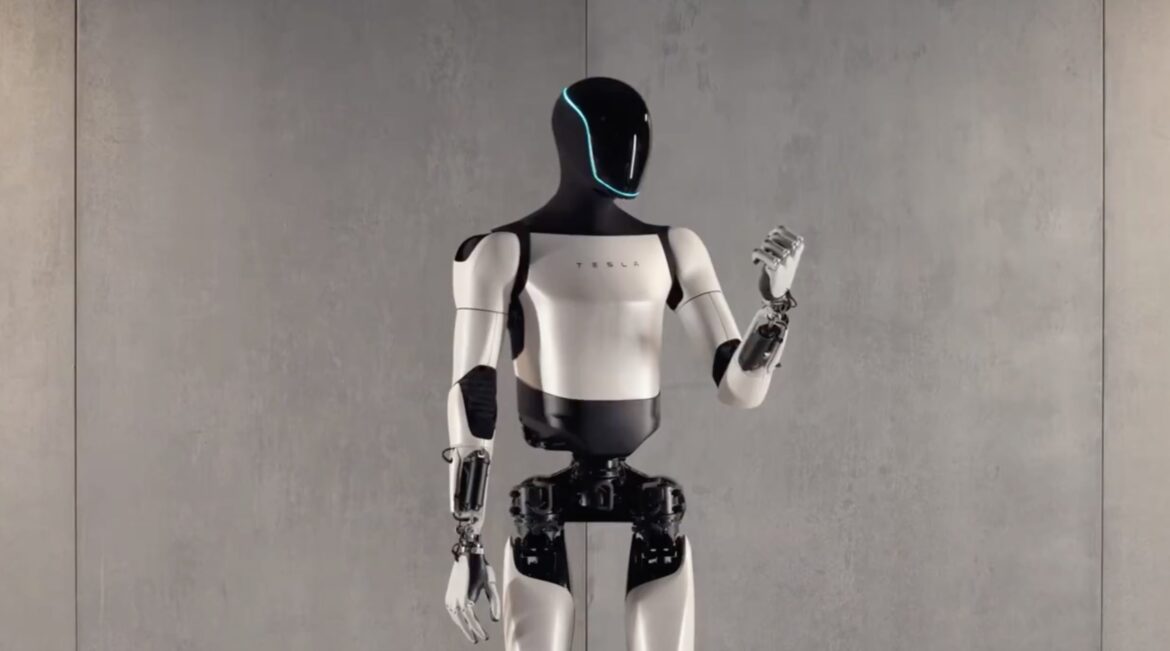
The unveiling of Tesla’s Optimus Gen 2 robot marks a significant leap forward in the realm of manufacturing automation. With its advanced features, this humanoid robot is not just a showcase of technological prowess but a harbinger of a new era where robots and humans could work side by side in various industries.

Optimus Gen 2’s enhanced mobility, characterized by a 30% increase in walking speed, is a game-changer. This boost in speed, coupled with its lighter frame—shedding 10 kilograms—makes it an agile partner on the factory floor. The robot’s agility and endurance mean it can perform tasks more efficiently and for extended periods, a critical factor in high-demand manufacturing environments.

Precision is another cornerstone of Optimus Gen 2’s design. With Tesla’s custom actuators and sensors, the robot can execute tasks with remarkable accuracy. This precision is further augmented by the tactile sensors on its fingers, allowing for the delicate manipulation of objects, a necessity for intricate assembly work.

Tesla’s commitment to integrating Optimus Gen 2 into its own manufacturing operations is a testament to the robot’s potential. This move not only serves as a proof of concept but also sets the stage for broader commercial applications. The company’s expertise in AI and electric motors suggests that Optimus Gen 2 could be a versatile and powerful tool, capable of performing a variety of tasks with greater efficiency.

While the price of Optimus Gen 2 has not been officially announced, the estimated range of $25,000 to $50,000 positions it as a significant investment with the promise of long-term value. As Tesla continues to refine its robotic technology, the future of manufacturing looks poised to embrace a new level of automation, where human labor is augmented by robotic precision and reliability. The Optimus Gen 2 may well be the first step towards realizing this future.

The implications of such technology extend beyond the factory floor, potentially reshaping the workforce and the very nature of work itself. As we stand on the cusp of this robotic revolution, it’s clear that Optimus Gen 2 is not just a robot; it’s a symbol of the transformative potential of automation in our lives.


0 comment
0 FacebookTwitterPinterestTumblrVKWhatsappEmail

The fusion of AI-driven platforms with traditional teaching methods heralds a new chapter in education, one that balances the richness of human interaction with the transformative power of technology. This integration is not just an enhancement but a revolution in how we teach and learn, offering unprecedented opportunities for engagement, personalization, and preparation for a digital-centric future.

In classrooms around the world, technology is redefining the educational experience. Interactive whiteboards and online platforms are just the beginning; they represent a shift towards a more connected, dynamic, and accessible form of education. These tools not only modernize teaching but also transcend geographical limitations, bringing global perspectives into local classrooms.

At the heart of this transformation is blended learning, a strategy that marries the personal touch of traditional methods with the efficiency and adaptability of digital solutions. This approach not only caters to diverse learning styles but also cultivates essential skills like critical thinking and collaboration, all while optimizing resources and reducing costs.

The pivot to a technology-enhanced educational landscape hinges on the readiness of educators. Comprehensive teacher training is vital for navigating the digital terrain, ensuring that lessons are tailored to meet every student’s unique needs. Educators must become adept at harnessing digital tools to create inclusive and engaging learning experiences.

Navigating the complexities of integrating digital technologies into education is no small feat. It demands a nuanced understanding of the entire school ecosystem, encompassing culture, management, and community support. Yet, when executed with intention and insight, the convergence of traditional and digital methodologies can elevate the educational journey.

In essence, as we march towards a future where technology is intricately woven into the fabric of daily life, education systems must evolve to embrace the myriad benefits of AI and digital tools. This evolution promises a learning environment that not only preserves the essence of traditional teaching but also empowers students to thrive in a tech-driven world.

The future of education lies in the harmonious blend of established educational practices with the cutting-edge capabilities of AI-driven platforms. It is within this balance that we can cultivate a generation of learners who are not only equipped for success but also inspired to engage in lifelong learning and growth.

0 comment
0 FacebookTwitterPinterestTumblrVKWhatsappEmail

The creative realms of gaming and storytelling are undergoing a remarkable transformation, thanks to the advent of AI character generators. These innovative tools are redefining the way characters are conceived, enhancing not only the visual appeal but also the depth and dynamism of the gaming experience. For developers, AI generators are a boon, significantly reducing the time and effort required to craft a diverse cast of characters. Players, on the other hand, are treated to a more immersive and unpredictable adventure, with AI-generated characters reacting in real-time to their actions, making each playthrough unique.

Beyond gaming, the storytelling landscape is also being reshaped. AI character generators are enabling storytellers to automate the creation process, introducing a spectrum of characters that surpass human biases and limitations. This leads to narratives that are not only more diverse but also more relatable to a wider audience. The potential for characters that evolve based on narrative events or audience feedback opens up new avenues for engagement and complexity in storytelling.

In the broader scope of research and productivity, AI’s influence is equally profound. From personalized learning to well-being, AI-generated characters are finding their place as educational tools and support systems. However, this technological leap comes with its own set of challenges. Ethical considerations, the potential loss of jobs, and the need to maintain the human touch in creative processes are issues that need careful navigation.

The economic impact of AI generators cannot be overlooked, with predictions of significant contributions to the global economy. As industries adapt to this shift, the workforce is expected to undergo changes, with some roles becoming obsolete and new ones emerging, necessitating reskilling efforts.

In conclusion, AI character generators are not just a fleeting trend but a pivotal development in the evolution of character creation. They hold the promise of revolutionizing gaming, storytelling, and productivity, provided we approach their integration with a balanced view of their benefits and challenges. As we stand at the cusp of this new era, the fusion of artificial intelligence and creativity is set to redefine the boundaries of what’s possible, promising richer, more engaging experiences across various domains.

0 comment
0 FacebookTwitterPinterestTumblrVKWhatsappEmail

The European Union is poised to become a global trailblazer in the regulation of artificial intelligence (AI) with its AI Act, a pioneering piece of legislation that promises to reshape the landscape of AI development and deployment. This groundbreaking act is the world’s first attempt to create a comprehensive legal framework that addresses the myriad risks and opportunities presented by AI technologies.

At the heart of the EU AI Act is a risk-based classification system that scrutinizes AI applications through the lens of potential harm to users. This system is not just a regulatory mechanism but a statement of intent, showcasing the EU’s commitment to ensuring that AI serves the public good while safeguarding individual rights.

AI systems deemed to pose an unacceptable risk are set to be outright banned, reflecting a firm stance against technologies that threaten the fabric of society. However, the act also acknowledges the complexity of the digital world, allowing for certain exemptions under stringent conditions, such as the use of remote biometric identification in serious crime investigations, subject to judicial oversight.

For high-risk AI applications, the act mandates rigorous assessment protocols, both pre-market and throughout their lifecycle. This includes AI integrated into critical products like medical devices and cars, as well as systems operating in sensitive domains such as legal and law enforcement. The message is clear: with great power comes great responsibility, and the EU expects AI developers and users to uphold the highest safety and ethical standards.

Generative AI, which includes advanced models like ChatGPT, will be required to meet transparency obligations. This ensures that users can distinguish between human and AI-generated content, a crucial step in maintaining trust and accountability in the digital ecosystem.

The act also addresses AI systems that carry limited risk, mandating minimal transparency to empower users to make informed decisions. This includes clear communication when users are interacting with AI, particularly in cases involving content manipulation, such as deepfakes.

As negotiations continue, the EU Parliament and member states are working towards a consensus that balances innovation with protection, aiming to finalize the act by year’s end. The AI Act is more than a set of rules; it’s a vision for a future where AI is developed and used in alignment with core human values, ensuring that the technology enhances, rather than undermines, societal well-being.

For AI companies, the act signals a new era of accountability and opportunity. It challenges them to innovate responsibly, to design systems that respect human dignity, and to contribute to a digital economy that is both dynamic and principled. As the EU charts this uncharted territory, the world watches, perhaps on the cusp of a new standard for AI governance that prioritizes human rights and ethical considerations in the age of intelligent machines.

The EU AI Act is not just a regulatory framework; it’s a bold statement on the future of technology and society, a blueprint for ethical AI that other nations might follow. It’s a testament to the EU’s role as a standard-setter in the digital age, shaping a world where technology serves humanity, and where progress does not come at the cost of our fundamental values.

As the act moves towards implementation, it stands as a beacon of hope for a future where AI and humans coexist in harmony, each enhancing the other’s potential for a better, safer, and more equitable world.

0 comment
0 FacebookTwitterPinterestTumblrVKWhatsappEmail

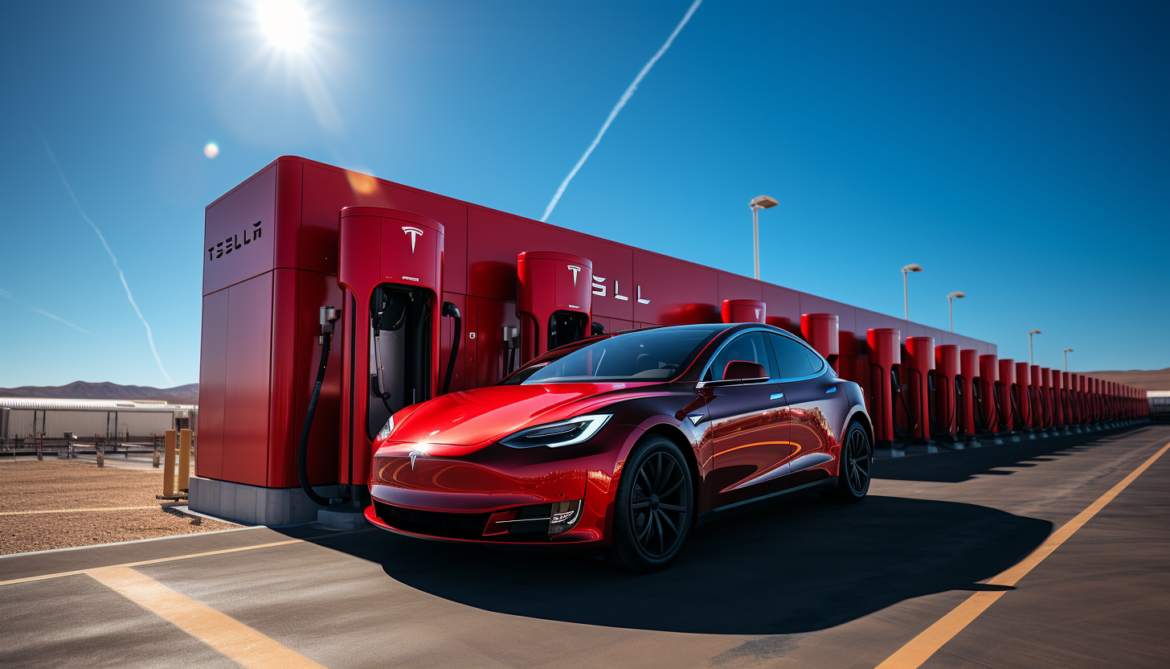
Tesla Superchargers have revolutionized the way Tesla owners charge their vehicles, offering a fast and convenient way to power up on the go. With the ability to add up to 200 miles of range in just 15 minutes, these Level 3 DC chargers are a game-changer for long-distance travel. The exclusive network, with over 35,000 Superchargers globally, ensures Tesla drivers are never far from a quick charge, and the integration with Tesla’s technology makes finding and using a Supercharger a breeze.

However, the expansion of the network to non-Tesla vehicles has raised concerns among some Tesla owners. Increased traffic could mean longer wait times at popular stations. Additionally, while Tesla’s vehicles are known for their performance and technology, some owners feel the build quality and customer service could be improved to match the luxury price tag. The stiff ride of some models and the association with Elon Musk’s public persona have also been points of contention for a few.

Despite these concerns, the Supercharger network remains a strong selling point for Tesla, providing unmatched convenience and supporting the broader transition to sustainable transportation. As Tesla continues to innovate and expand its charging infrastructure, the Supercharger network is likely to play a pivotal role in the EV revolution.

Navigating the pros and cons of Tesla Superchargers is crucial for current and prospective Tesla owners alike, as they weigh the benefits of rapid charging against the potential drawbacks of network congestion and other issues. As the EV landscape evolves, Tesla’s Supercharger network will undoubtedly continue to be a topic of discussion and development.

0 comment
0 FacebookTwitterPinterestTumblrVKWhatsappEmail

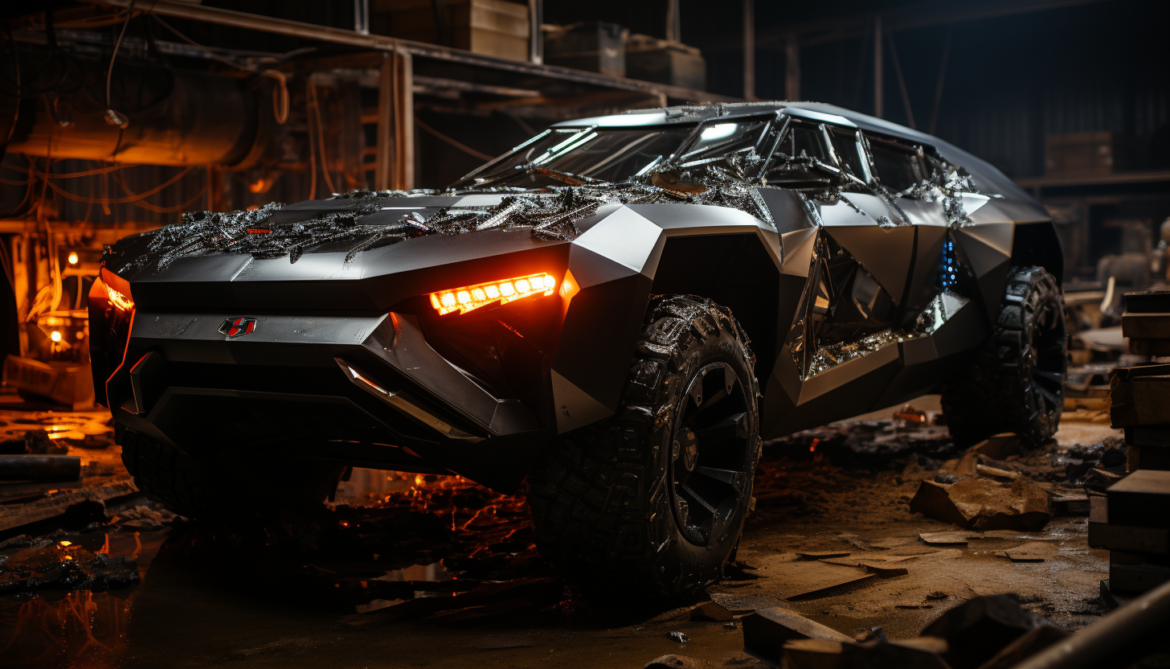
The Tesla Cybertruck has certainly turned heads with its futuristic design, but beneath the bold aesthetics lie serious safety concerns that experts are flagging. The vehicle’s angular design and stainless-steel exoskeleton, while visually striking, have raised alarms about the potential risks to pedestrians, cyclists, and other vehicles. The crux of the issue lies in the Cybertruck’s rigid structure, which experts fear may not crumple effectively in a collision, potentially compromising the safety of its occupants and others on the road.

Crumple zones are a critical safety feature in modern vehicles, designed to absorb the impact of a crash and protect those inside. The Cybertruck’s design, however, seems to challenge this principle, with its heavy weight and high acceleration further exacerbating safety concerns for those outside the vehicle.

Despite these worries, Tesla CEO Elon Musk has confidently claimed that the Cybertruck will be safer than other trucks. Yet, without comprehensive crash test data, these assertions remain unverified, leaving experts and potential consumers calling for more transparency.

As Tesla gears up for a production rate of roughly 250,000 Cybertrucks a year by 2025, starting at $60,990, the conversation around its safety is as critical as ever. Will Tesla address these concerns with innovative safety features, or will the Cybertruck’s bold design come at a cost? Only time—and more data—will tell.

0 comment
0 FacebookTwitterPinterestTumblrVKWhatsappEmail

Tesla’s Holiday Software Update 2023 and the release of Full Self-Driving (FSD) 12 have stirred excitement among Tesla enthusiasts and tech aficionados alike. The latest holiday update brings a sleigh-full of enhancements, including improved Autopilot visualizations, detailed intersection views, and the addition of Hebrew language support. It also introduces a more intuitive reverse camera view and a vertical volume indicator, among other service mode improvements.

But the real showstopper is FSD 12. This pivotal update marks a departure from hardcoded vehicle controls, entrusting neural networks with the task of steering, acceleration, and braking. It’s a leap towards a future where Tesla’s AI mimics human-like decision-making, promising smoother and more fluid autonomous driving experiences. With over 300,000 lines of code replaced by advanced neural networks, FSD 12 is set to redefine the capabilities of Tesla’s self-driving technology.

The rollout of FSD 12 to employees is a precursor to a wider release, hinting at a near-future where Tesla vehicles could navigate the complexities of the real world with unprecedented intelligence and responsiveness. As we await further details on the public release, Tesla’s latest advancements signal a transformative phase in the journey towards full autonomy, aligning AI with nuanced human behavior and reinforcing Tesla’s position at the forefront of the AI-powered transportation sector.

With the holiday season upon us, Tesla owners have much to celebrate, and the rest of the world watches with anticipation as Tesla continues to push the boundaries of what’s possible on the road.

Stay tuned for more updates, and happy holidays from the world of Tesla!

0 comment
0 FacebookTwitterPinterestTumblrVKWhatsappEmail

In the dynamic world of AI startups, the first week of December 2023 has seen significant funding activities, with companies like AssemblyAI and Anthropic leading the charge. AssemblyAI, based in San Francisco, has successfully raised $50 million in Series C funding, with Accel at the helm of the investment round. This infusion of capital is earmarked for the development of a universal speech model and to bolster the company’s workforce, signaling a strong push towards refining AI-driven speech technologies.

Meanwhile, Anthropic, a generative AI startup with roots in OpenAI, has garnered a substantial $450 million in Series C funding, with Spark Capital steering the round. This round stands out for the participation of tech behemoths such as Google, Salesforce, and Zoom, underscoring the industry’s confidence in Anthropic’s conversational and text processing AI capabilities. The company’s commitment to expanding its product offerings and advancing AI safety research is poised to shape the future landscape of AI applications.

Together AI, another player in the generative AI space, has also made headlines by securing a hefty $102.5 million in Series A funding. This round, led by Kleiner Perkins, aims to establish an open-source infrastructure for generative AI model development, a move that could democratize access to cutting-edge AI technologies.

While these developments mark a robust start to December, it’s important to note that the exact dates of these funding events within the specified week are not detailed. Additionally, the research did not yield specific information on AI companies that raised seed or Series B funding during this period. Nonetheless, the overall trend indicates a thriving AI startup ecosystem, with venture capital flowing into ventures that promise to innovate and transform the way we interact with technology.

As we look ahead, the trajectory of AI startups continues to be one of growth and innovation, with venture capital investment playing a pivotal role in shaping the future of artificial intelligence.

0 comment
0 FacebookTwitterPinterestTumblrVKWhatsappEmail

The AI chatbot scene is evolving rapidly with the rollout of xAI’s Grok, a new entrant developed by Elon Musk’s AI startup. This ChatGPT rival has been making waves as it begins to reach more users, initially rolling out to X Premium Plus subscribers in the U.S. What sets Grok apart is its ability to tap into real-time data from X posts, providing users with information that’s as current as it gets.

The rollout has been swift, with all U.S. Premium+ subscribers now on board, and plans to extend access to English-speaking users globally are underway. Grok’s distinct personality is a draw, offering a conversational style that’s both witty and rebellious, willing to tackle the spicier questions that other AI systems shy away from.

Currently, Grok operates in text-only mode, but there’s buzz about future enhancements to process images, videos, and more. This rollout is a strategic move for X, aiming to bolster subscription revenue in the face of dwindling advertising support. With a $16 monthly fee, the Premium+ subscription includes Grok, promising an ad-free experience along with other perks.

As Grok competes with free AI chatbot alternatives, its success in driving subscriptions is yet to be determined. However, its unique approach and real-time data integration could carve out a niche audience eager for a different kind of AI interaction. The AI chatbot market is heating up, and Grok is a contender to watch.

0 comment
0 FacebookTwitterPinterestTumblrVKWhatsappEmail

In the rapidly evolving landscape of artificial intelligence, the competition is heating up with the latest entrants: Google’s Gemini, OpenAI’s GPT-4 Turbo, and the elusive Grok. Each AI model brings its unique strengths to the table, but how do they fare in real-world applications?

Google’s Gemini has made a splash with claims of superior performance, especially in advanced math and specialized coding. It’s a multimodal powerhouse, designed to understand a blend of information types, from text to images. With versions tailored for different needs—Ultra, Pro, and Nano—Gemini aims to be versatile and accessible. However, its promotional strategies have come under scrutiny, with critics suggesting that Google may have embellished its capabilities.

On the other side, OpenAI’s GPT-4 Turbo is the beefed-up sibling of GPT-4, boasting a larger context window and updated knowledge up to April 2023. This model is not just about text; it’s stepping into the multimodal realm, with image processing and text-to-speech prompts in preview. GPT-4 Turbo is currently in the hands of paying developers, with a stable version on the horizon.

Users’ experiences with these AI models have been a mixed bag. Some find Gemini’s responses underwhelming, while others are sticking with GPT-4 for its reliability. Google’s Bard, powered by Gemini, has been put to the test against GPT-4 and Grok, with varying results. Bard sometimes lagged in detail and accuracy, while GPT-4 maintained its reputation for thoroughness.

As we await a broader rollout of Gemini in 2024, integrated with Google’s suite of apps, the real-world performance of these AI models remains a hot topic. The AI community is buzzing with anticipation and skepticism, eager to see if Gemini can truly outshine its competitors or if GPT-4 Turbo will continue to lead the pack.

The AI race is far from over, and as users and developers get their hands on these models, we’ll gain a clearer picture of their capabilities. Until then, the debate continues: which AI will reign supreme in practical applications? Only time, and a lot of testing, will tell.

Stay tuned as we continue to monitor the unfolding saga of Gemini, GPT-4 Turbo, and the mysterious Grok. The future of AI is bright, and it’s unfolding right before our eyes.

0 comment
0 FacebookTwitterPinterestTumblrVKWhatsappEmail

About Us

Our mission is to challenge the conventional approach to tech reporting, making it more insightful, accessible, and engaging for everyone.

@2022 – All Right Reserved. Designed and Developed by UNOO Inc.